Menu
Explore
Popular Programs
Provider-supervised peptide protocols for recovery and cellular health. Each peptide is matched to a specific goal — based on your data. Eligibility is determined by an independent licensed provider after a full clinical evaluation.

The Longevity Score is an educational estimate, not a diagnostic tool.
The Longevity Score is an educational estimate, not a diagnostic tool.
Advanced optimization should feel clear, clinically guided, and matched to your goal — not like a one-size-fits-all protocol.
Match the protocol to the goal: recovery, cellular energy, skin and hair, or antioxidant support.
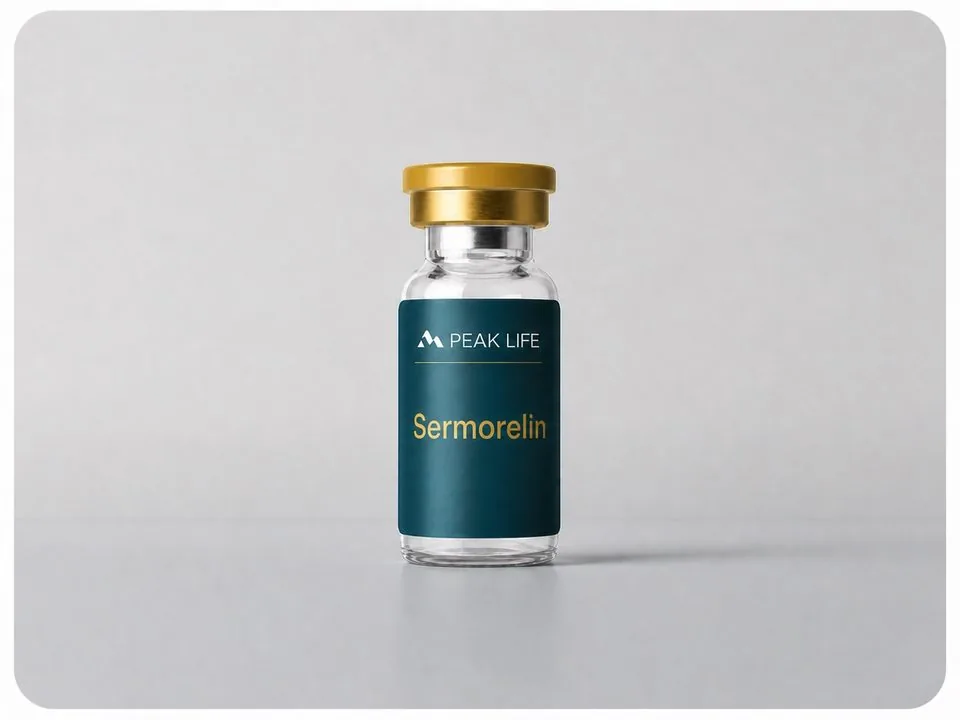
Stimulates your pituitary to produce more of your own growth hormone — supporting recovery and body composition without exogenous GH.
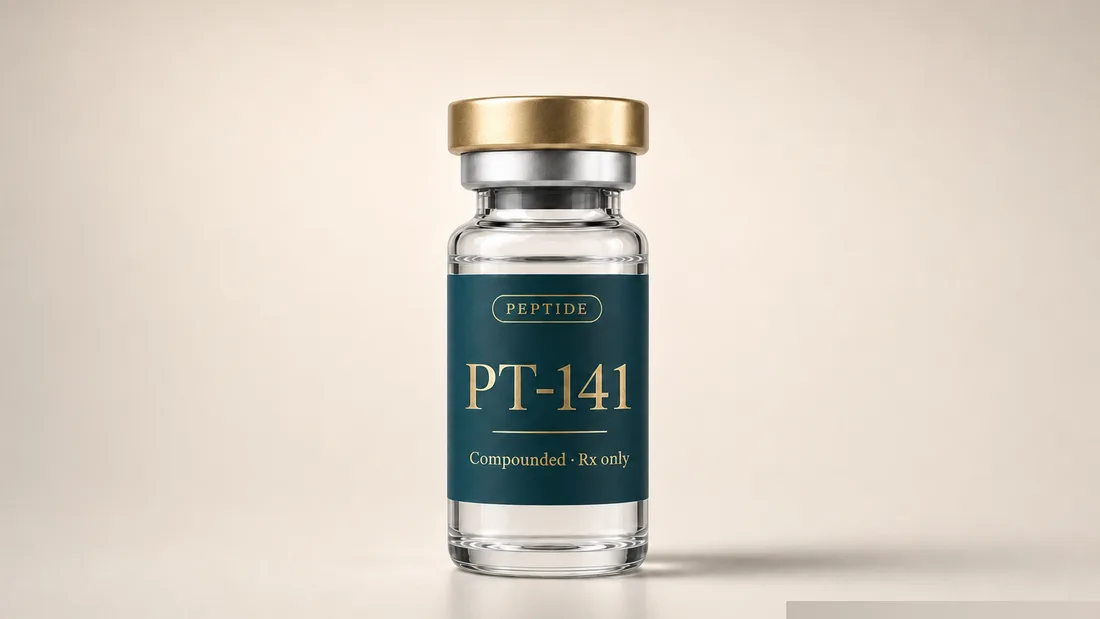
A melanocortin-pathway peptide for libido and arousal.
A coenzyme involved in cellular energy production, DNA repair, and longevity-related sirtuin pathways.
The body's primary intracellular antioxidant. Supports detoxification pathways and cellular protection against oxidative stress.
Programs start at $199 and require provider review. Simple monthly subscription — delay, pause, or cancel anytime, no fees. Compounded medications are not FDA-approved as commercial products and may not be appropriate for everyone.
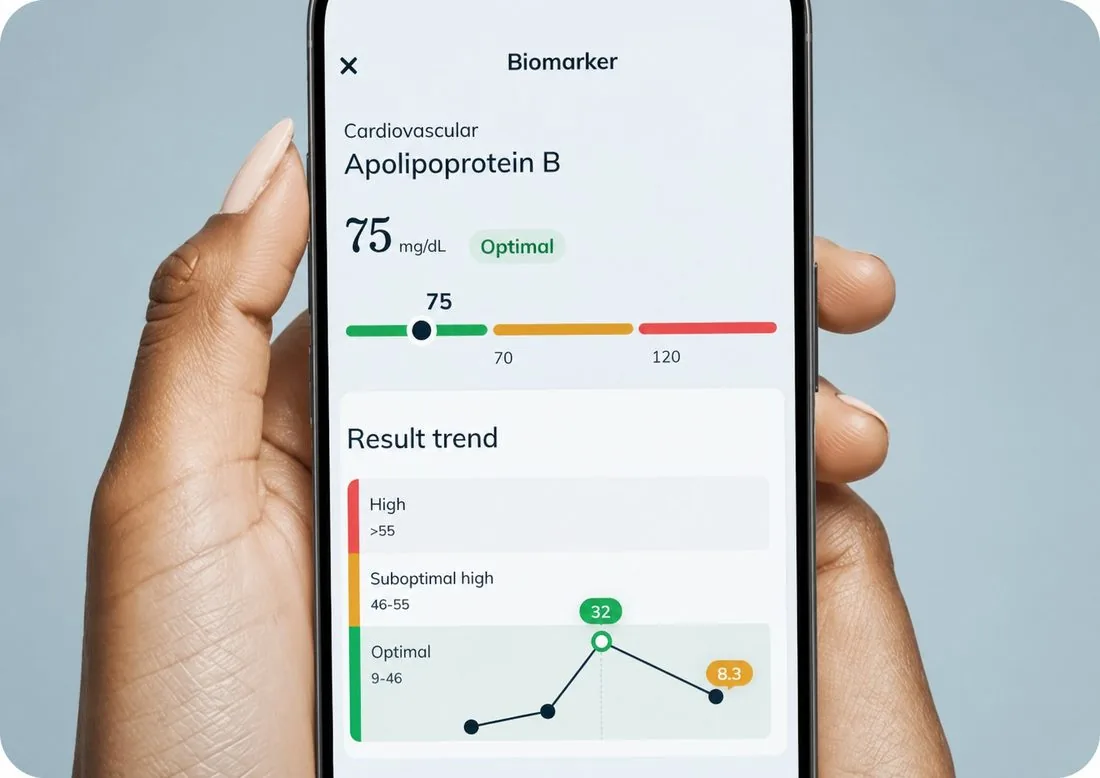
Yes — for most peptide protocols. Sermorelin specifically requires an IGF-1 baseline; other peptides may need a comprehensive metabolic panel and inflammation markers. The Men's Optimization Panel ($170, 69 biomarkers including IGF-1) is the most common starting point for Sermorelin candidates. If you already have recent labs you can upload them during intake. Lab costs are not included in the program fee — they're billed separately. Additional charges apply.
It depends entirely on the specific peptide and formulation. These are compounded medications prepared by state-licensed 503A/503B compounding pharmacies and prescribed only when clinically appropriate. Compounded medications are not FDA-approved and are not reviewed by the FDA for safety, effectiveness, or quality. We only offer peptides that a licensed provider can prescribe and a licensed pharmacy can legally compound. Your provider will explain which protocols are appropriate for your goals during intake. Peptide regulatory status changes — what we offer reflects current legal compliance.
Not all peptides have the same level of clinical evidence or regulatory standing. We group them honestly:
Tier 1 (Established) — peptides with decades of clinical use and strong evidence base, like Sermorelin.
Tier 2 (Emerging) — peptides with active human research and growing evidence, including NAD+ and Glutathione.
Sexual health — PT-141, which we offer as a compounded preparation through licensed pharmacies. We're transparent so you can make an informed decision.
Sometimes, when medically appropriate. For example, Sermorelin paired with testosterone (from our Men’s Health program) is a common combined protocol. NAD+ alongside other recovery peptides is another. But peptides are not supplements — stacking them indiscriminately is not recommended. The licensed provider will recommend which combinations make sense for your goals and which to avoid.
Pricing reflects the actual cost of the active ingredient, the complexity of compounding, the dosing frequency, and any required monitoring. NAD+ and PT-141 protocols typically run higher because the raw materials are more expensive. Sermorelin and Glutathione are more accessible. Your program price includes the medication, provider visits, fulfillment, and quarterly lab review. Free shipping is included on every order; any additional lab work is billed separately.
Yes. You'll get order-status updates and shipment tracking by email at every step — when your prescription is reviewed, when the pharmacy fills it, and when it ships — so you always know where your order is. Everything is also visible in your account.
Everything you need is included. Your medication ships with all required supplies — nothing extra to buy, and no per-order shipping fee. Free shipping is included on every order.
Varies by peptide and goal. Sermorelin: most users notice gradual changes over 6–12 weeks, with body composition changes at 3–6 months. PT-141 typically works on-demand within 45–60 minutes of a dose. NAD+ effects on energy and mental clarity are often reported within 2-4 weeks. Glutathione effects are typically gradual and tied to oxidative stress markers measured via lab work.
If your evaluation suggests peptide therapy isn't appropriate, you won't be charged for any prescription or program fee. The provider may recommend alternative approaches — supplement protocols (no prescription required), Men’s or Women’s Health programs, lifestyle interventions, or simply additional lab work to clarify the picture. Honest "no" answers are part of why this is a medical practice and not a vending machine.
It varies significantly by peptide, and we think you should know that before starting. Sermorelin, a growth-hormone-releasing analog, has the longest clinical track record of the therapies we offer. NAD+ and glutathione have a growing but still limited body of human evidence, much of it focused on specific clinical contexts rather than general "longevity." PT-141 acts through a central (brain) mechanism and its use in this context is off-label and less established. These compounded preparations are not FDA-approved, and their benefits for longevity or anti-aging have not been evaluated or confirmed by the FDA. We present them organized by evidence and access level so you can make an informed decision with your provider rather than treating all peptides as equivalent.
Because peptides are compounded and not FDA-approved, their full safety profiles — especially with long-term use — are not as well characterized as approved medications, and unknown risks may exist. Reported and potential effects include injection-site reactions (redness, swelling, irritation), headache, fatigue, flushing, nausea, water retention, and changes in blood sugar; sermorelin and other GH-axis peptides may affect insulin sensitivity and are generally avoided in people with active cancer. PT-141 (bremelanotide) commonly causes nausea and can cause a transient rise in blood pressure; it is used with caution in people with cardiovascular risk and is dosed on-demand rather than continuously. Peptide therapies may include compounded or investigational products and are offered only when legally available and judged clinically appropriate by a licensed provider after review of your history and medications. This is not a complete list of risks — discuss them with your provider and report any concerning symptoms promptly.
Compare therapies, review fit, and move forward only if a provider determines the program is appropriate for you.
Programs start at $199. Includes provider consultation, prescription, fulfillment, and ongoing support. Simple monthly subscription — delay, pause, or cancel anytime, no fees. Free shipping is included on every order; quarterly lab work is billed separately.
Stimulates your pituitary to produce more of your own growth hormone — supporting recovery and body composition without exogenous GH.
A growth hormone-releasing hormone (GHRH) analog. Unlike direct GH replacement, sermorelin signals your body to produce its own GH at physiological pulses, preserving the natural feedback loop. The molecule has a long clinical history.
A melanocortin-pathway peptide for libido and arousal.
Unlike PDE5 inhibitors that act on blood flow, PT-141 works centrally — activating melanocortin (MC4R) receptors in the brain to support sexual desire and arousal. It is available only as a compounded preparation through licensed 503A/503B pharmacies and is prescribed when clinically appropriate.
A coenzyme involved in cellular energy production, DNA repair, and longevity-related sirtuin pathways.
NAD+ levels decline with age. Supplementation aims to restore cellular energy production and support pathways implicated in healthy aging. Available as injection, IV infusion, or oral precursors (NMN, NR).
The body's primary intracellular antioxidant. Supports detoxification pathways and cellular protection against oxidative stress.
Synthesized from three amino acids (cysteine, glycine, glutamic acid). Levels decline with age and chronic stress. Available as oral, sublingual, or injectable formulations depending on protocol.
Peptide therapies are not appropriate for everyone, and the right protocol depends heavily on your goals and baseline labs. Eligibility is determined individually after a complete clinical evaluation.
Check Your Eligibility→Most peptide programs require all three:
No clinic visits. No insurance hassles. Three steps, fully provider-supervised.
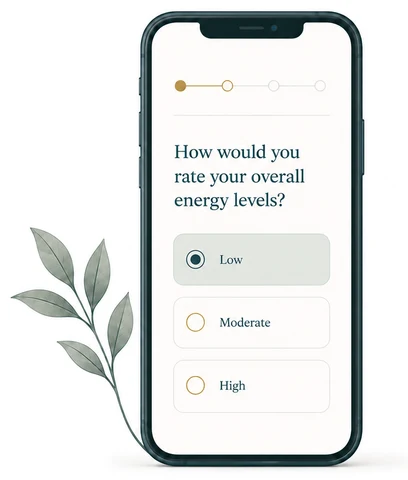
Complete a 5-minute health questionnaire describing your goals (recovery, skin, energy). Upload recent labs or order a baseline panel through Reach Peak Life.
A licensed provider reviews your intake and labs, recommends a peptide protocol matched to your goal, and explains which formulations are accessible. Async consult or video visit.
Medication ships from a licensed pharmacy. Quarterly check-ins, dose adjustments, and protocol pivots are included for as long as you stay on therapy.
Recovery, sleep, and energy decline quietly, years before disease. Your free Longevity Score estimates your biological age and shows which protocols could move it in the right direction.
Cellular aging is gradual — but the choices you make in your 40s and 50s set the trajectory for your 60s and 70s. Peptide therapy is one tool. The right tool, used appropriately, can change that trajectory. Start with a free assessment, or check eligibility for a specific protocol.
The peptides offered on this page are prescribed only when appropriate by a licensed provider after individual patient evaluation, and are compounded by licensed 503A/503B pharmacies. PT-141 is provided only as a compounded preparation; its use in this context is off-label. Reach Peak Life only facilitates access to peptide therapies that a licensed provider can prescribe and a licensed pharmacy can legally compound. Peptide availability and legal status may change, and we update our protocols accordingly.